Peripheral neuropathy during pancreatic cancer treatment
Learn about tingling, numbness, nerve pain, and cold sensitivity during pancreatic cancer treatment, including symptoms to report and practical safety advice.
INFORMATION & SUPPORT
Peripheral neuropathy means damage to nerves outside the brain and spinal cord. It can cause tingling, numbness, pain, weakness, or problems with balance.
Some chemotherapy medicines used for pancreatic cancer can cause these symptoms. Tell your care team about changes early — even if they seem mild — so they can assess them and discuss ways to limit further harm.
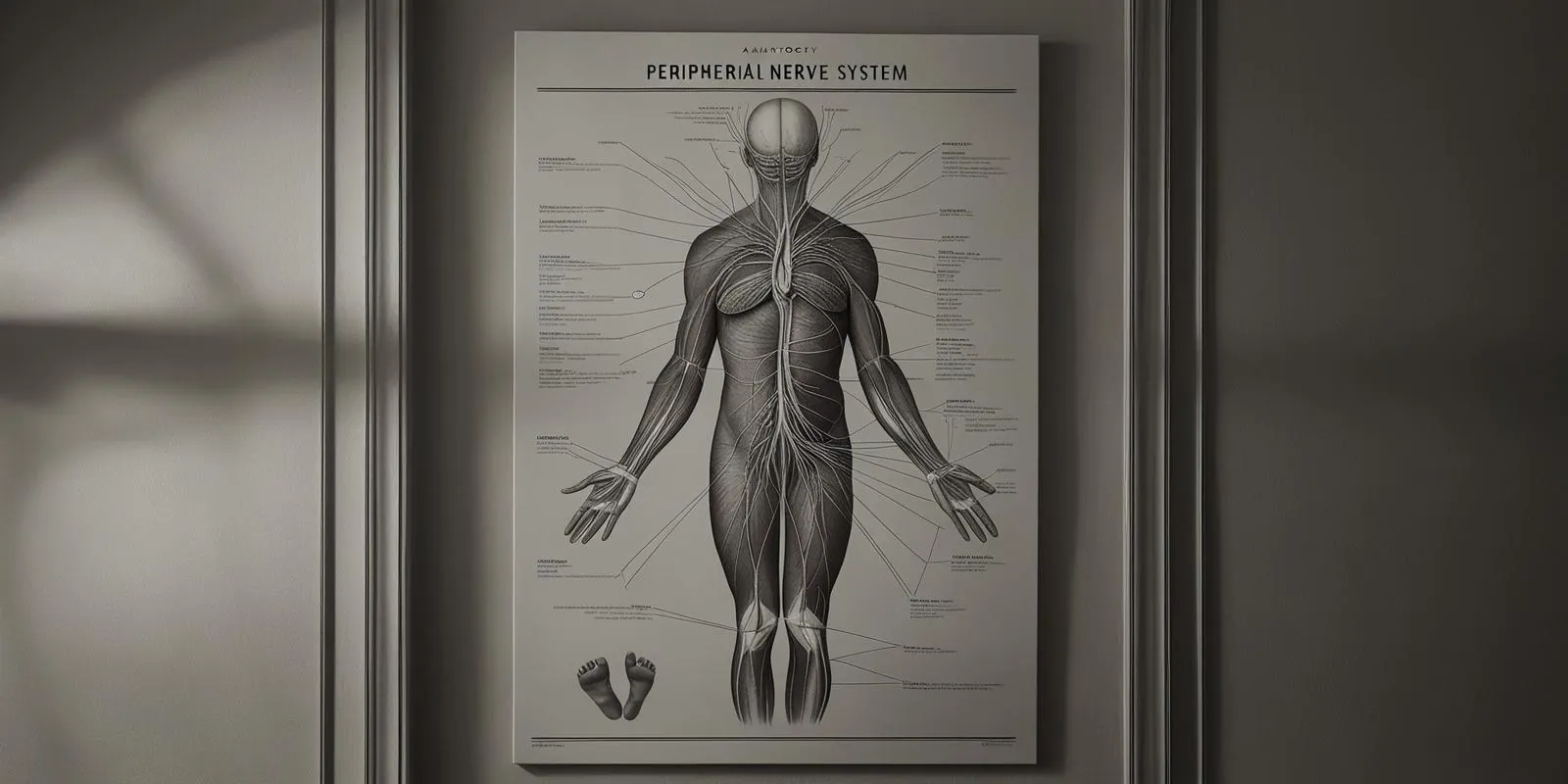
This guide is about nerve symptoms caused by treatment. It is different from pain caused by the cancer itself pressing on nerves in the abdomen — a separate problem, which your team assesses and treats differently. Our guide to palliative care and symptom support covers pain management more broadly.
Part of our Complications of pancreatic cancer guides.
Do not wait until symptoms become severe
Give practical examples: trouble fastening buttons, writing, holding objects, walking safely, or keeping your balance. Report falls as well.
Sudden weakness, severe breathing difficulty, or other rapidly developing symptoms should not be assumed to be routine neuropathy. Seek urgent medical assessment.
What symptoms might I notice?
Symptoms usually begin in the fingers and toes and can spread in a "stocking and glove" pattern. How likely they are, and how strong they become, varies with the medicine, the dose, and the person — there is no single percentage that predicts your experience. What helps your team most is a clear description:
| What you may notice | A useful detail to report |
|---|---|
| Tingling, or "pins and needles" | When it started, and whether it follows treatment days |
| Numbness or reduced feeling | Where it is, and whether it is spreading |
| Burning or shooting pain | How often it happens, and what you were doing |
| Trouble with fine movements — buttons, writing, picking up small objects | Which tasks have become harder |
| Unsteadiness or balance problems | Any falls or near-falls |
| Weakness | What you can no longer grip, lift, or do |
| Symptoms triggered by cold | What triggered them — cold air, cold drinks, touching something cold |
Treatment can also affect digestion, blood pressure, and other automatic body functions, but symptoms like those have many possible causes during chemotherapy. Constipation, for example, is often caused by medicines, eating less, or moving less. Do not assume a symptom is nerve damage — mention it, and let your team work out the cause.
Which chemotherapy medicines can cause it?
Two medicines used for pancreatic cancer are most often linked to peripheral neuropathy:
- Oxaliplatin, part of the FOLFIRINOX combination — also the cause of the cold sensitivity described in the next section.
- Nab-paclitaxel, given with gemcitabine. The Canadian Cancer Society lists paclitaxel medicines among the chemotherapy drugs that can damage peripheral nerves.
Gemcitabine is less commonly linked to neuropathy on its own. Many people who develop symptoms while on a gemcitabine combination are receiving it together with nab-paclitaxel, which is a recognized cause. Which medicine is responsible in an individual case can only be judged after assessment — report the symptoms rather than trying to identify the cause yourself.
Other health conditions — such as diabetes or a nerve problem that was already there — can also cause or worsen these symptoms. That is one reason your team's assessment matters.
Cold sensitivity and oxaliplatin
Oxaliplatin causes a distinctive, temporary sensitivity to cold. Touching something cold, breathing cold air, or having a cold drink can trigger tingling or uncomfortable sensations in the hands, feet, mouth, or throat.
This usually begins shortly after treatment and settles over a few hours or days. It is not the same as the longer-lasting neuropathy that can build up with repeated treatment — but tell your team about both, because the pattern helps them judge what is happening.
BC Cancer's patient handout for oxaliplatin advises:
- Protect yourself from cold air — wear gloves and socks, and cover your mouth and nose in cold weather.
- Do not drink cold beverages or eat cold food for a few days after treatment.
- Tell your team if symptoms continue for more than a week, or if you have trouble with buttons, writing, picking up small objects, walking, or falls.
Follow your own treatment instructions for the exact precautions and how long they apply to you. This cold sensitivity is also a different subject from the cold gloves or socks sometimes discussed during infusions of other chemotherapy drugs — ask your team what applies to your treatment.

How will my team assess it?
Assessment usually starts with your description: what you feel, when it started, how it relates to your treatment days, which medicines you are on, and how it affects daily life. Your team may also examine feeling, strength, reflexes, and balance.
More specialized nerve tests exist, but they are not the entry ticket to being helped. You do not need every test for your symptoms to be taken seriously — what you report about daily life is central evidence.
Keeping a short symptom diary
A few lines after each treatment can make the pattern much clearer. Note:
- The date, and where you are in your treatment cycle.
- The symptom, and where in your body it is.
- Anything that triggered it — especially cold.
- What it stopped you doing, or made harder.
- What you reported, when, and to whom.
Will this change my chemotherapy?
It might — and that is protection, not failure. If symptoms are progressing, your team may delay a treatment, reduce the dose, or change the plan, because acting early can reduce the risk of lasting nerve damage. The Canadian Cancer Society notes that a chemotherapy drug may be stopped or its dose reduced to prevent permanent damage.
Reporting symptoms is not giving up on treatment. It is how your team protects your nerves while treating the cancer — and they can only act on what they know.
Can medicines help nerve pain?
Medicines may reduce nerve pain, but they do not necessarily restore feeling or reverse nerve damage. Pain easing is not the same as sensation returning, so keep the safety habits in the next section even if a medicine helps.
The Canadian Cancer Society identifies duloxetine as a medicine used for chemotherapy-related nerve pain. Other options a team may consider include gabapentin, pregabalin, and certain antidepressants. The right choice depends on the cause, your symptoms, your other medicines, and side effects — this guide does not rank them or give doses, because no one medicine is simply best for everyone.
Rehabilitation and staying safe at home
Physiotherapy and occupational therapy can help with strength, coordination, and balance, and with adapting daily tasks — fastening clothing, cooking, writing — that neuropathy makes harder. Ask your team for a referral if daily activities are getting difficult.
At home, the Canadian Cancer Society and BC Cancer advise:
- Wear supportive, well-fitting footwear, and avoid walking barefoot.
- Keep rooms and stairs well lit, and clear away trip hazards such as loose rugs and clutter.
- Take extra care on stairs and uneven ground; use handrails.
- Protect numb hands and feet — wear gloves for tasks, and check water temperature with a thermometer or an unaffected area, because numbness can hide burns and scalds.
- Check your feet daily for cuts or sores you may not have felt; numbness can hide injuries, and unnoticed cuts can become infected.
- Ask for help with tasks that need grip or fine feeling, such as opening jars or handling sharp tools.
- Avoid exposing numb areas to extreme heat or cold.
Massage and other complementary approaches may help you feel more comfortable, but they are not treatments that repair nerves — discuss anything new with your team first. Research into preventing and treating chemotherapy neuropathy is ongoing; ask your team before trying any supplement or product promoted online for nerve repair.
Will the symptoms improve?
Sometimes. For many people, symptoms ease after treatment ends or changes — but recovery can take months, and symptoms can briefly worsen after treatment stops before they improve. For some people, symptoms persist or become permanent.
Your team cannot always predict which course yours will take. Keep reporting changes, and keep asking about rehabilitation and support for as long as symptoms affect your daily life.
Questions to ask your team
- Are these symptoms likely to be from my treatment?
- What should I watch for before my next treatment?
- Would delaying or reducing a dose protect my nerves?
- Is there a medicine worth trying for the pain?
- Would physiotherapy or occupational therapy help me?
- What should I change at home to stay safe?
- When should I call between appointments?
Frequently asked questions
Does gemcitabine cause neuropathy?
Gemcitabine is less commonly linked to neuropathy on its own. Many people who develop symptoms on a gemcitabine combination are receiving it with nab-paclitaxel, a recognized cause of nerve damage. Which medicine is responsible in an individual case can only be judged after assessment — report the symptoms and let your team work it out.
What symptoms should I report, and when?
Report new or worsening tingling, numbness, pain, weakness, or difficulty with daily activities before your next treatment is given — not at some later visit. Mention practical effects such as trouble with buttons or writing, unsteadiness, and any falls.
Will the symptoms improve?
They may. Many people's symptoms ease after treatment ends or changes, though recovery can take months and symptoms can briefly worsen first. Some people's symptoms persist or become permanent — keep reporting changes and asking about rehabilitation and support.
Can medicines help nerve pain?
Medicines may reduce nerve pain, but they do not necessarily restore feeling or reverse damage. The Canadian Cancer Society identifies duloxetine for chemotherapy-related nerve pain; other options include gabapentin, pregabalin, and certain antidepressants. Your team chooses based on your symptoms, other medicines, and side effects.
What can I do at home to stay safe?
Wear supportive, well-fitting footwear; keep rooms and stairs well lit and free of trip hazards; protect numb hands and feet from heat, cold, and injury; check your feet daily for cuts you may not have felt; and ask for help with tasks that need grip or fine feeling. Physiotherapy and occupational therapy can also help with strength, balance, and daily tasks.
Related guides
- Chemotherapy for pancreatic cancer — the treatments used, including FOLFIRINOX and gemcitabine with nab-paclitaxel.
- Treatment options — the wider picture of pancreatic cancer treatment.
- Complications of pancreatic cancer — ascites, blood clots, cachexia, and more.
- Palliative care and symptom support — help with pain and other symptoms.
Sources
- Canadian Cancer Society — Peripheral nerve damage.
- Canadian Cancer Society — Supportive care for pancreatic cancer.
- BC Cancer — For the Patient: Oxaliplatin (PDF) — cold sensitivity and the precautions after treatment.
- BC Cancer — Symptom Management Guidelines: Chemotherapy-Induced Peripheral Neuropathy (PDF).
- Canadian Cancer Society — Side effects of treatment.
This guide is general information about peripheral neuropathy for people with pancreatic cancer in Canada, not medical advice. Symptoms, causes, and management differ from person to person — discuss your situation with your care team.
Last reviewed: October 28, 2026 · Report an error