
Port to Care · Patient Travel Grants
Port to Care
Travel grants for Atlantic Canadians living with pancreatic cancer who must travel for treatment or clinical trials.
Leaving Home for Care Is Nothing New Here
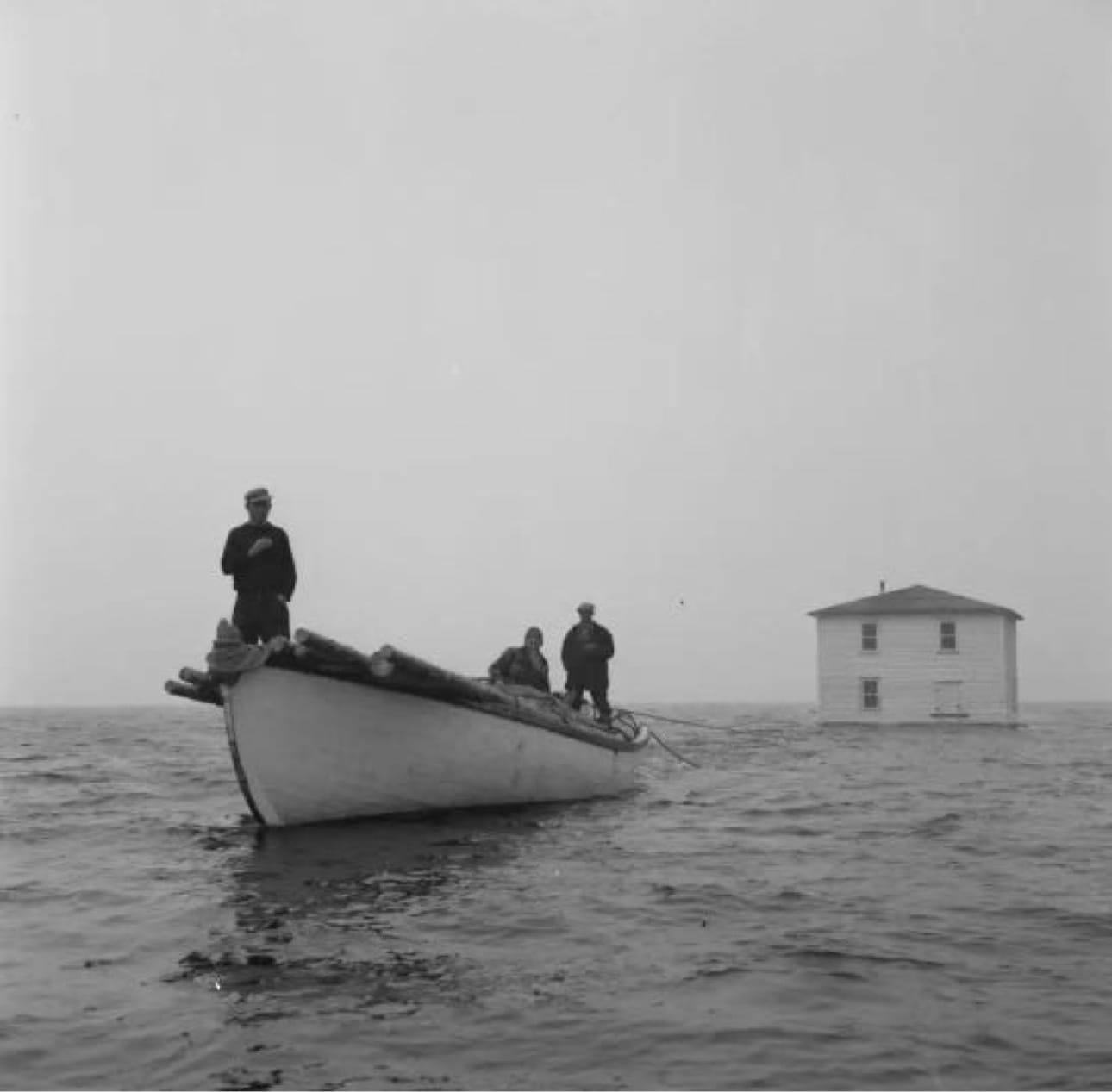
Newfoundland joined Canada in 1949. In the 1950s, hundreds of outport communities were reachable mainly by boat — no road connected them to the rest of the island. Hospital care was concentrated in St. John’s, with a scattering of small cottage hospitals along the coast.
For a family in an outport, a serious illness meant a journey: long days of travel when the weather allowed, real money for passage and lodging, and leaving home — and everyone in it — behind. In this place, getting medical care has always begun with leaving home.
It Is Still True Today
More than one in three Atlantic Canadians — about 904,000 people — live in rural and small-town communities, outside the metropolitan areas where cancer centres are concentrated.
Source: Statistics Canada, Rural and Small Town Canada, 2023 to 2024 (2021 rural and small town population estimates: 904,446 people across the four Atlantic provinces) and the 2021 Census of Population (Atlantic Canada total: 2,409,874). “Rural and small town” means living outside a census metropolitan area or census agglomeration.
On Top of Everything Else
A pancreatic cancer diagnosis already takes so much: treatment schedules, side effects, time away from work, strain on the whole family. For patients outside the cities, travel is layered on top of all of it — fuel and ferries and flights, meals and motel rooms, someone to watch the house and the kids — days away from the people who matter most, just to reach the same care someone in the city gets across town.
The disease does not ask where you live. The cost of reaching care does.
What Your Gift Does
Port to Care is The Heather Cutler Foundation’s patient travel grant program — our first patient-focused grant, launched in 2025.
Port to Care gives $500 travel grants to eligible Atlantic Canadians living with pancreatic cancer who must travel from rural and remote communities to urban cancer centres for treatment — and helps patients reach care and clinical trials far from home, in the parts of Atlantic Canada where access is most limited.
“Too many families are forced to choose between proximity to care and staying rooted in their communities. Port to Care aims to provide immediate relief in cases where no options exist locally.”
The Port to Care Fund. Every donation directed to Port to Care is held for this program and disbursed as eligible patients apply. If no one applies right away, the money waits in the fund — in the bank, reserved for Port to Care — until the next patient has to travel for treatment or a trial and needs it.
Need to Travel for Care?
If you are living with pancreatic cancer and facing travel for treatment or a clinical trial, Port to Care may be able to help. Applying starts with a simple email — no forms, no portals.