Heather's Hope Special Edition: Years away, and $90,000 a month
A personal special edition from founder Christopher Cutler: what his mom Heather couldn't reach in 2024, why daraxonrasib is still years away in Canada, and how one Ontario patient is pushing back.


A personal message from our founder, Christopher Cutler
Hi everyone,
Our newsletter usually brings you a monthly roundup. This month, because access to daraxonrasib is so important to the pancreatic cancer community in Canada, we're sending a special edition. It is written by our founder and executive director, Christopher Cutler, and it is personal.
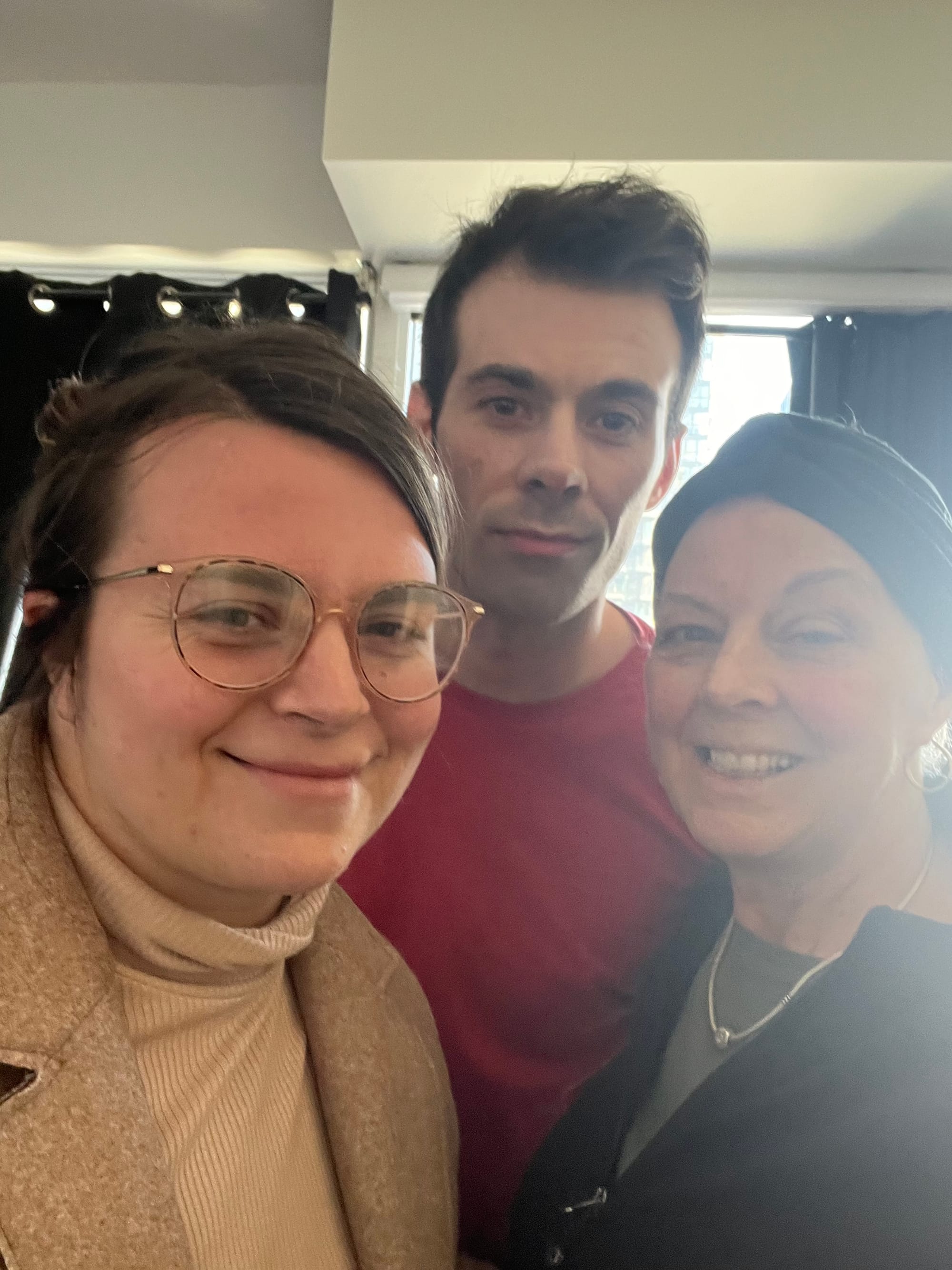
My mom, Heather, was diagnosed with pancreatic cancer in October 2022. Her tumour carried a KRAS G12D mutation. She did a year and a half of chemo every two weeks, and as my sister Bethany says, she never once asked "Why me?"
When the chemo stopped working, we fought for anything else. A family friend helped connect us to Johns Hopkins for a second opinion. Getting there cost a flight and far more as she grew weaker, and we knew any trial meant leaving Newfoundland. We would have gone anywhere. The trial she was waiting for was for RMC-6236, now known as daraxonrasib. We also spent months fighting for a third-line chemo, Onivyde, and never got the go-ahead.
She never got into the trial. She developed ascites and died at home on May 5, 2024, within two months of her chemo stopping. The door closed because of time, not price.
That drug now exists. The FDA approved daraxonrasib on August 26 for metastatic pancreatic cancer after at least one prior treatment, which is exactly where my mom was. In the pivotal trial, median survival was 13.2 months versus 6.7 on chemotherapy, and none of its 60 sites were in Canada. Europe's review committee issued a positive opinion on October 15.
Why I can't accept "years"
In Canada, daraxonrasib is not approved and no submission to Health Canada has been announced. Recent cancer drugs have taken about two years on average from Health Canada approval to public funding, and that clock hasn't started. My mom had two months.
The wait isn't the only wall. This week, CBC reported that James Howard of Vancouver, with stage 4 pancreatic cancer, is paying about $90,000 a month to buy the drug in the U.S. The U.S. list price is about US$39,800 a month, roughly $55,000 Canadian. Families will stop at nothing to get another treatment, and they can do everything right and still not be rich enough.
When my mom died, there was no treatment she could reach. In a cruel way, that was simpler. Today's families can see that the drug exists, and they can't reach it. That is crueller.
Where you live matters
The trials recruiting in Canada for daraxonrasib are in Toronto and Montreal. A third study lists Vancouver and Toronto sites that haven't opened yet. For a previously treated metastatic patient, my mom's situation, there is no recruiting trial at all. If you live in Atlantic Canada, joining one means leaving home at the point in your illness when travel is hardest.
Our new report, Where You Live Matters: How Canada Responds to Pancreatic Cancer, shows why this isn't a one-off:
- Toronto holds 40% of national clinical trial activity and Montreal 34%. Nova Scotia holds 2.6%.
- In the Atlantic provinces, private plans and cash paid 59% of take-home oncology drug spending, versus 12% in Alberta (2019 data).
- Trial access in Atlantic Canada is historically "a clinical trial desert."
One person is trying to change this
Salman Syed, an Ontario man with stage IV pancreatic cancer, started Pancreatic Cancer Can't Wait, which asks Revolution Medicines for a compassionate or cost-shared supply program and provinces for exceptional-access funding. His oncologist has applied through Health Canada's Special Access Program and is awaiting a decision. That program doesn't require the manufacturer to supply the drug or anyone to pay for it, and we know of no confirmed case of a Canadian receiving the drug this way. Salman reports that Revolution Medicines has told him it won't fund the drug or support compassionate access, which would leave him paying about US$39,000 to 40,000 a month. We have reached out to Revolution Medicines for comment and will update this edition when we hear back.
It's Salman's campaign, independent of the foundation. But he reached out to me, and we will do everything we can to draw attention to it. This is bigger than any one campaign, and it cannot wait any longer.
What you can do
Please add your name at pancreaticcantwait.ca. It takes about 30 seconds, and it never asks about your health or treatment. If you live in Atlantic Canada, your name matters more, because the trial gap lands on us hardest.
We'll keep tracking every step at heathercutler.ca/is-daraxonrasib-available-in-canada. If you're living with pancreatic cancer, ask your oncology team about trial eligibility, and please share this with someone who needs it.
I don't have a hopeful ending for you this month. What I have is something to do, and I'm asking you to do it.
Christopher
Disclosure: Revolution Medicines, the drug's maker, sponsors the World Pancreatic Cancer Coalition, of which the foundation is a member. We receive no funding from Revolution Medicines.
This newsletter provides community-shared information, not medical advice. Please speak with your oncologist about treatment decisions, access requests and side-effect management.


