Risk factors for pancreatic cancer

Smoking, chronic inflammation of the pancreas, and excess body fat can increase the risk of pancreatic cancer. Age, family history, inherited gene changes, and diabetes also matter. Evidence linking alcohol with pancreatic cancer is growing, but its relationship is more complex than the established link with smoking. The Canadian Cancer Society's pancreatic cancer risk guide explains the main recognized factors.
Having a risk factor does not mean you will develop pancreatic cancer. People without recognized risk factors can develop it too. A diagnosis is not evidence that someone did something wrong.
This guide mainly concerns pancreatic ductal adenocarcinoma, or PDAC—the most common pancreatic cancer. Pancreatic neuroendocrine tumours are different diseases; these findings should not automatically be applied to them.
This is general information, not an individual risk assessment or medical advice.
What does a risk factor mean?
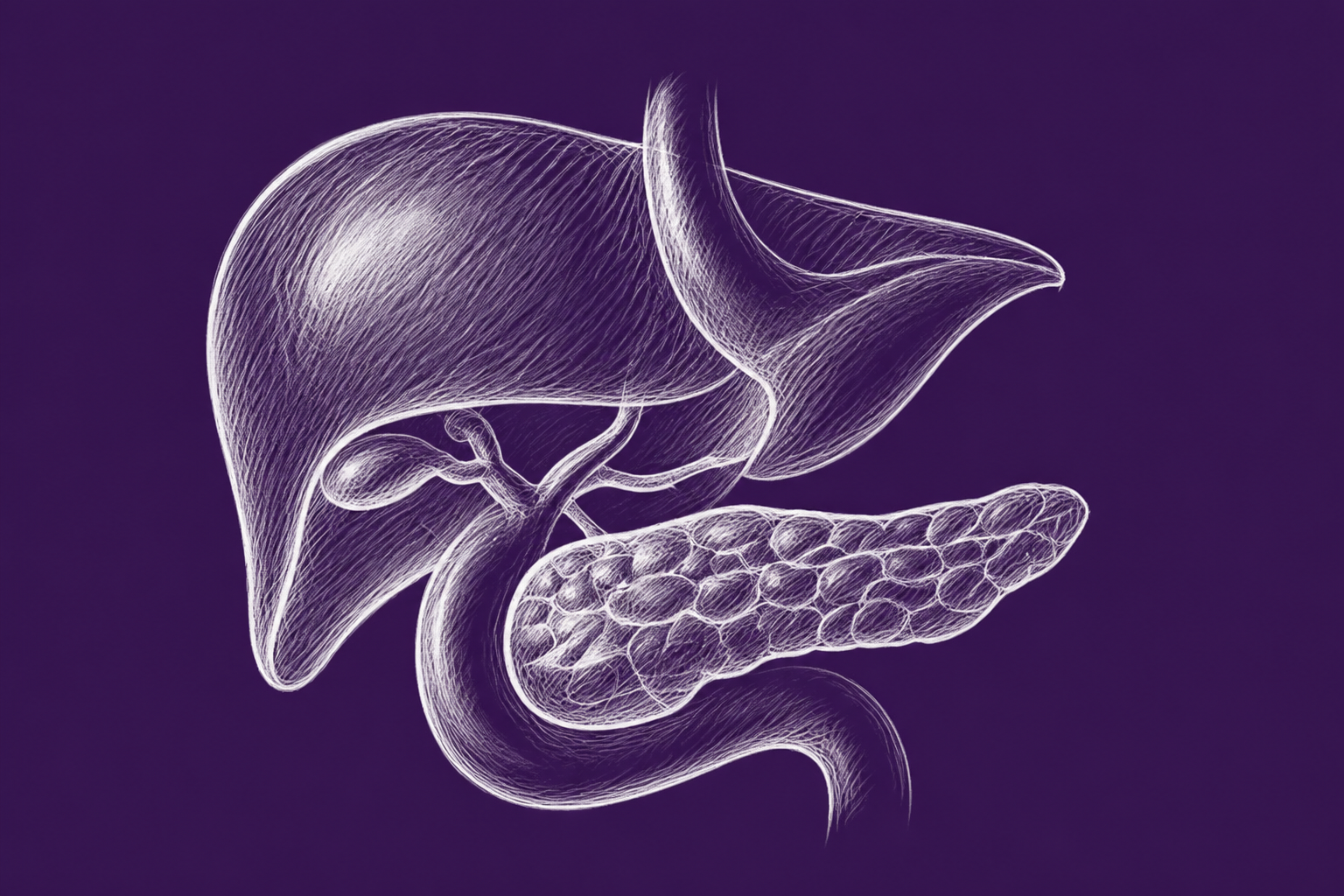
A risk factor is something associated with a greater chance of developing a disease. Some can be changed or treated; others, such as age and inherited susceptibility, cannot.
An association means researchers observe a relationship. A causal conclusion requires a broader body of evidence showing that an exposure contributes to disease—not simply that the two occur together. The Canadian Cancer Society's explanation of what causes cancer describes how multiple factors can contribute.
Risk estimates compare groups. Relative risk describes a comparison between groups; absolute risk describes the chance of an event within a defined period. Neither can tell an individual exactly what will happen.
Do not add or multiply published risk estimates to calculate your own risk. Your medical history, family history, and the timing of different conditions need clinical interpretation.
Smoking and tobacco
Smoking is an established cause of pancreatic cancer. The amount smoked and the number of years someone has smoked affect risk. Quitting lowers pancreatic cancer risk over time, although it does not erase past exposure immediately.
The Canadian Cancer Society also identifies cigars, pipes, and smokeless tobacco as pancreatic cancer risks. This does not mean every product has the same risk or that cigarette statistics can be transferred directly to other products. The National Cancer Institute's smoking evidence summary explains smoking-related cancer risks and cessation treatments.
What about vaping and nicotine?
Vaping is not the same exposure as smoking cigarettes. Long-term cancer evidence is still developing. It would be inaccurate to claim that vaping has the same established pancreatic cancer risk as smoking—or that uncertainty makes vaping harmless. Read the Canadian Cancer Society's explanation of e-cigarettes.
Nicotine replacement products, such as patches and gum, are also not equivalent to smoking. They help manage withdrawal without exposing someone to tobacco smoke's mixture of toxic and cancer-causing substances. The National Cancer Institute's nicotine-withdrawal guidance explains this distinction. Ask a pharmacist or prescriber which option suits your circumstances.
Canadian help to quit
You do not have to quit without support. Health Canada's provincial and territorial quit-smoking directory lists services across Canada. You can also call 1-866-366-3667 to speak with a quit coach.
If an earlier attempt did not work, another approach may help. Counselling and cessation medicines can improve the likelihood of quitting. The Canadian Cancer Society's smoke-free resources provide additional information.
Chronic pancreatitis
Chronic pancreatitis is long-lasting inflammation that damages the pancreas and can cause permanent scarring. People with chronic pancreatitis have a higher risk of pancreatic cancer, but the condition does not mean cancer is inevitable.
The terms matter:
- Acute pancreatitis is a sudden episode of inflammation.
- Chronic pancreatitis involves lasting pancreatic damage.
- Hereditary pancreatitis is an inherited condition that can cause repeated attacks and chronic disease.
These conditions should not be treated as identical. The NIDDK explanation of acute and chronic pancreatitis describes their differences.
Alcohol is not the cause of every case. Genetic disorders, pancreatic duct problems, and other conditions can contribute; sometimes no cause is identified. The NIDDK guide to pancreatitis causes explains these pathways.
Studies sometimes find the strongest cancer association soon after pancreatitis is diagnosed. This needs careful interpretation: an existing pancreatic cancer may sometimes contribute to pancreatitis or be discovered during its investigation. It does not necessarily mean inflammation caused a cancer within a few months.
What should someone with pancreatitis do?
Ask your specialist about the cause, follow-up plan, and changes that should prompt reassessment. Smoking cessation and avoiding alcohol are important parts of pancreatitis care. The NIDDK treatment guidance explains why. If alcohol withdrawal could be a concern, arrange medical help to stop safely.
Not everyone with chronic pancreatitis needs the same cancer-surveillance schedule. An international consensus guideline supports surveillance in specialist centres for affected people with hereditary pancreatitis caused by inherited PRSS1 mutations. Recommendations are less settled for several other forms of pancreatitis.
Excess body weight and obesity
There is strong evidence that greater body fat increases pancreatic cancer risk. The World Cancer Research Fund's evidence assessment classifies the relationship as convincing.
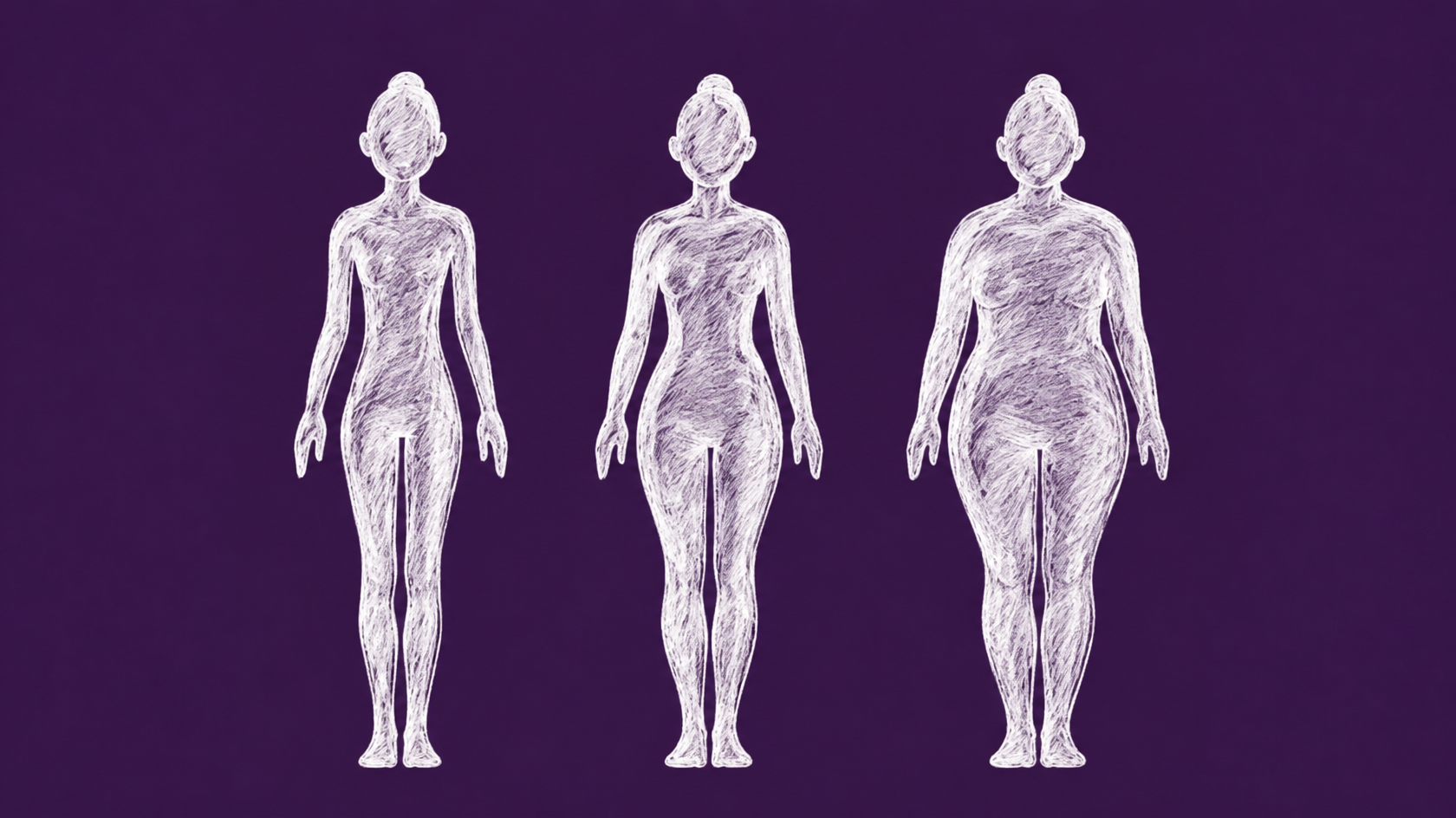
Researchers study body mass index, waist measurements, and weight changes over time. These are imperfect measures of an individual's body composition or health. Proposed biological pathways include insulin resistance and chronic inflammation. The pancreatic cancer evidence report discusses these findings and limitations.
This is population-level evidence, not a judgement about someone's body or an explanation of why a particular person developed cancer.
If weight management is appropriate for you, ask about realistic support rather than restrictive diets or rapid weight-loss promises.
If you already have pancreatic cancer
Do not interpret prevention advice as an instruction to lose weight during treatment. Your nutritional needs require a separate assessment, particularly if you are losing weight unintentionally, eating less, or having difficulty digesting food.
The Canadian Cancer Society's guide to eating well with cancer addresses treatment-related nutrition concerns. Ask your team about a registered dietitian.
Alcohol: what does the evidence show?
Alcohol causes several cancers. For pancreatic cancer specifically, the evidence has historically been less certain. The Canadian Cancer Society's risk page, medically reviewed in August 2024, lists alcohol as a possible risk.
A 2025 pooled analysis in PLOS Medicine examined approximately 2.5 million participants in 30 prospective studies, recording more than 10,000 pancreatic cancers over a median follow-up of 16 years. It found a modest positive association between alcohol intake and pancreatic cancer, particularly at higher consumption.
The association remained after accounting for smoking and was also observed among never-smokers. However, alcohol intake was assessed at one point in time, results differed across regions, and the observational design cannot resolve every possible explanation.
Alcohol can also contribute through pancreatitis, which itself is associated with pancreatic cancer. The study does not establish that every alcohol-related association operates through pancreatitis—or that pancreatitis is irrelevant.
What does this mean for you?
Do not start drinking for health reasons. Drinking less reduces exposure to alcohol-related harms, but no pancreatic-cancer-specific "safe allowance" can be derived from this study.
If you have pancreatitis, ask your team about avoiding alcohol and obtaining support. If you may be physically dependent, seek medical advice before stopping suddenly: withdrawal can cause seizures and other serious complications. CAMH's alcohol-withdrawal guidance explains the risks.
For local treatment and support, use Health Canada's substance-use help directory. It includes provincial and territorial services and resources for Indigenous peoples.
Other factors that belong in the picture
Age
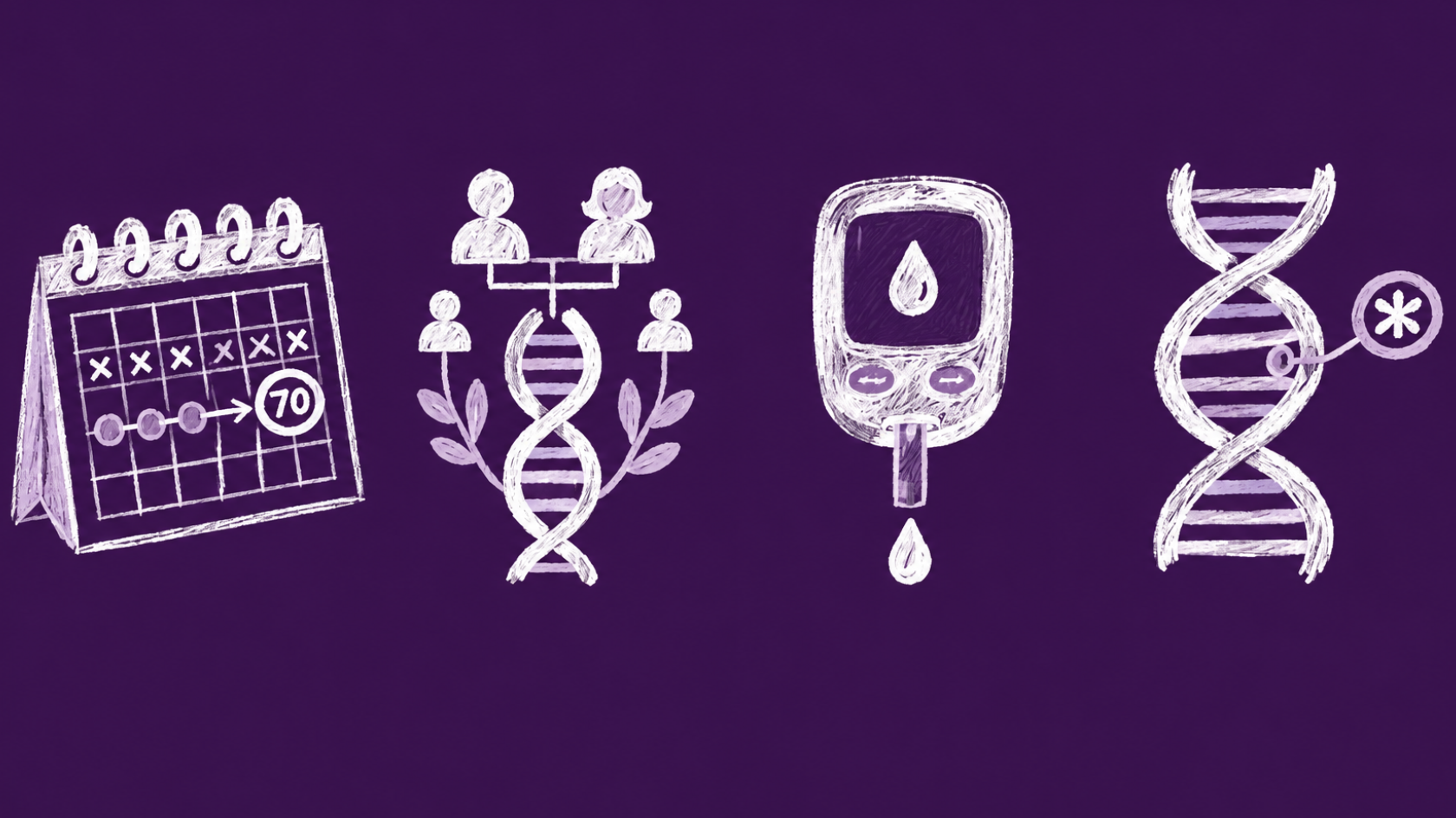
Risk increases with age, although younger people can also develop pancreatic cancer. Age alone cannot confirm or exclude a diagnosis.
Family history and inherited susceptibility
Having close relatives with pancreatic cancer can increase risk. Certain inherited conditions also matter, including hereditary breast and ovarian cancer syndrome, Lynch syndrome, Peutz–Jeghers syndrome, and hereditary pancreatitis.
A family history does not automatically mean a cancer-causing gene change will be found. Tell your healthcare professional which relatives had cancer, the cancer types, and their ages at diagnosis. This can help determine whether genetic counselling or specialist assessment is appropriate.
Diabetes
The relationship works in both directions. Long-standing diabetes is associated with increased pancreatic cancer risk; occasionally, a developing pancreatic cancer can cause new diabetes. Most people newly diagnosed with diabetes do not have pancreatic cancer.
The National Cancer Institute's explanation of diabetes and pancreatic cancer describes this distinction. New diabetes accompanied by unexplained weight loss or rapidly changing blood sugar deserves discussion with a clinician—not an assumption that cancer is present. Our diabetes and pancreatic cancer guide covers the connection in full.
What can you do now?
Choose a manageable next step:
- Ask for smoking-cessation support if you use tobacco.
- Discuss alcohol use honestly and seek help if changing it is difficult.
- Follow up on pancreatitis and diabetes.
- Discuss appropriate nutrition, activity, and weight-related support.
- Record your family cancer history.
- Seek assessment for symptoms rather than waiting to see whether lifestyle changes resolve them.
These actions can support health and reduce some risks. They cannot guarantee prevention. No supplement, detox, or "pancreas cleanse" should replace medical assessment or established care.
Does having a risk factor mean I need screening?
Not automatically.
Screening looks for disease before symptoms develop. Diagnostic assessment investigates symptoms or an abnormal finding. The National Cancer Institute's screening information explains why routine pancreatic screening is not recommended for people at average risk.
Smoking, obesity, or alcohol use alone does not establish eligibility for specialist pancreatic surveillance. Strong family history, particular inherited conditions, or other pancreatic findings may justify specialist assessment. Eligibility depends on the specific circumstances and local program.
A CA19-9 blood test is not a stand-alone screening test. Non-cancerous conditions can raise it, and some people do not produce it. Read the Canadian Cancer Society's CA19-9 explanation.
When symptoms need assessment
Do not dismiss symptoms because you have never smoked, do not drink, or have no family history.
Pancreatic cancer can cause abdominal or back pain, unexplained weight loss, digestive changes, or jaundice. Other conditions can cause the same symptoms. The Canadian Cancer Society's symptom guide provides an overview.
Arrange prompt assessment for new jaundice or persistent, unexplained, or worsening symptoms. Severe abdominal pain, particularly with vomiting, fever, or feeling seriously unwell, needs urgent assessment.
Questions to ask a healthcare professional
- Which factors in my history matter most?
- Could my symptoms need investigation now?
- What caused my pancreatitis?
- Is genetic counselling appropriate?
- Do I meet criteria for specialist surveillance?
- What help is available to stop smoking or change alcohol use?
- What follow-up is needed for diabetes?
- Which changes should prompt another appointment?
Common questions
Can someone who never smoked develop pancreatic cancer?
Yes. Smoking increases risk, but it does not explain every diagnosis.
Does pancreatitis mean I will get pancreatic cancer?
No. It increases risk, but individual risk and follow-up depend on the type, cause, and other circumstances.
Does quitting smoking remove the risk immediately?
No. Risk decreases over time. Quitting remains worthwhile even after many years of smoking.
Can I prevent pancreatic cancer completely?
There is no guaranteed way to prevent it. Risk reduction is worthwhile, but it does not make someone responsible for whether cancer develops.
Related Foundation guides
- What Is Pancreatic Cancer?
- Signs and Symptoms of Pancreatic Cancer
- Inherited Genetic Testing for Pancreatic Cancer
- Testing for Pancreatic Cancer
- Newly Diagnosed? Pancreatic Cancer Starter Pack
- Caregivers Hub
Sources
- Risks for pancreatic cancer — Canadian Cancer Society
- Alcohol intake and pancreatic cancer risk: an analysis from 30 prospective studies — Naudin and colleagues, PLOS Medicine, 2025
- Cigarette Smoking: Health Risks and How to Quit (PDQ®) — National Cancer Institute
- What you need to know about e-cigarettes — Canadian Cancer Society
- Tips for Coping with Nicotine Withdrawal and Triggers — National Cancer Institute
- Symptoms & Causes of Pancreatitis — NIDDK
- International consensus guidelines on surveillance for pancreatic cancer in chronic pancreatitis — PubMed
- Diet, nutrition, physical activity and pancreatic cancer — World Cancer Research Fund
- Be a healthy weight: recommendation evidence — World Cancer Research Fund
- What causes cancer? — Canadian Cancer Society
- Quitting smoking: provincial and territorial services — Health Canada
- Live smoke-free — Canadian Cancer Society
- Definition & Facts for Pancreatitis — NIDDK
- Treatment for Pancreatitis — NIDDK
- Alcohol Use: Managing alcohol withdrawal — CAMH
- Eating Well When You Have Cancer — Canadian Cancer Society
- Get help with substance use — Health Canada
- New-Onset Diabetes: An Early Sign of Pancreatic Cancer? — National Cancer Institute
- Screening | Pancreatic Cancer — National Cancer Institute
- Management of patients with increased risk for familial pancreatic cancer — Gut
- Carbohydrate antigen 19-9 (CA19-9) test — Canadian Cancer Society
- Signs and symptoms of pancreatic cancer — Canadian Cancer Society
This information supports, but does not replace, advice from a qualified healthcare professional. Found an error? Use the Foundation's correction-reporting process and include the supporting source.
Last reviewed: November 9, 2026 · Report an error