Blood tests for pancreatic cancer
What blood tests can and cannot tell you in pancreatic cancer: routine blood counts and chemistry, the tumour marker CA19-9, how to prepare, and how to read your results.

Blood tests help your care team assess your general health, investigate symptoms, and monitor the effects of treatment. Some tests may also help track pancreatic cancer over time.
Blood tests alone cannot confirm or rule out pancreatic cancer. Results need to be considered alongside symptoms, scans, and other investigations.
On this page: Common tests · CA19-9 · Preparing · Understanding results
On this page: Common tests · CA19-9 · Understanding results · Questions
Common blood tests at a glance
| Test or group | Why your team may order it |
|---|---|
| Complete blood count (CBC) | Checks red blood cells, white blood cells, and platelets; helps assess issues such as anaemia and treatment effects |
| Neutrophil count | Provides information about an important group of infection-fighting white blood cells |
| Liver-related tests | Help assess liver and bile-duct abnormalities |
| Kidney tests | Help assess kidney function |
| Electrolytes | Check substances involved in fluid balance and normal body function |
| Glucose | Checks blood sugar |
| CA19-9 | May help monitor pancreatic cancer in some people, alongside other assessments |
Blood tests may identify abnormalities that need further investigation, but they are not a stand-alone screening test for pancreatic cancer. Blood counts and chemistry tests also serve different purposes from tumour-marker tests such as CA19-9 — the sections below explain each group.
How a Blood Test is Performed
Blood tests are a routine but vital part of a pancreatic cancer journey, providing critical information to guide your care. These tests help your medical team monitor your health, evaluate organ function, and assess the effectiveness of treatments like chemotherapy. In some cases, blood tests can also detect specific biomarkers or genetic information, which may guide more personalized treatment options.
Understanding what happens during a blood test can make the process feel less intimidating and give you a sense of control. Whether you are preparing for your first blood draw or have had multiple tests, knowing each step can provide reassurance and help you feel more at ease.

1. Preparation and Identification
Before starting the procedure, the healthcare provider will confirm the patient’s identity using identifiers like their name, date of birth, and a unique patient ID. This step ensures that the right patient is being treated and that the collected blood is labeled accurately.

2. Sanitization and tourniquets application
The healthcare provider will clean their hands and put on gloves to maintain a sterile environment, reducing the risk of infection. A tourniquet—a tight band—is applied around the upper arm to restrict blood flow temporarily, causing the veins to swell and become more prominent.

3. Vein selection and skin cleaning
The healthcare provider will visually inspect and palpate (feel) for a suitable vein, typically in the forearm. Once a vein is selected, the skin is cleaned with an antiseptic (like alcohol) to disinfect the area.

4. Needle insertion and blood collection
A sterile needle is inserted into the vein at the cleaned site. Blood is collected into one or more labeled tubes, depending on the number of tests required. The provider ensures a steady flow of blood while minimizing patient discomfort.

5. Tourniquet removal and post-draw care
After the required blood has been drawn, the tourniquet is released to restore normal blood flow. The needle is carefully withdrawn, and the site is immediately covered with gauze or cotton to stop bleeding. Pressure is applied for 1-2 minutes to prevent bruising.

6. Bandage application and sample labeling
A small bandage is applied over the puncture site to protect it from dirt and bacteria. The blood samples are immediately labeled with the patient’s details, including date and time of collection, ensuring they are sent to the lab with accurate identification.

What To Expect
What Happens Before, During, and After
Before the test:
Inform about medications, follow fasting instructions if given, and wear suitable clothing.
During the test:
The procedure is brief and may cause slight discomfort.
After the test:
Resume normal activities, keep the bandage on for 15 minutes, avoid strenuous activities, and watch for common slight bruising or rare lightheadedness. Processing time for results varies. Your healthcare provider will discuss the results with you. Remember, blood tests are routine and essential. Don’t hesitate to ask questions if you have concerns.

Carbohydrate Antigen 19-9
Carbohydrate Antigen 19-9 (CA 19-9) is the most extensively studied and validated serum biomarker for pancreatic cancer.
At a Glance: CA 19-9 and Pancreatic Cancer
CA 19-9 is a blood test that helps oncologists manage pancreatic cancer. While it’s not a diagnostic tool on its own, it can:
• Help differentiate between pancreatic cancer and other conditions.
• Track treatment progress by showing how the cancer responds.
• Monitor for recurrence after treatment.
Changes in CA19-9 can contribute to the assessment of treatment response, but they are not interpreted on their own. Your team considers the trend alongside symptoms, imaging, and conditions that can affect the result.
Bile duct blockage and pancreatitis can raise CA19-9 without indicating cancer progression. Some people do not produce CA19-9, so the test may not be useful for monitoring their cancer. A high result does not establish progression, and a normal result does not exclude cancer.
It’s important to understand that CA 19-9 has limitations. Not all people with pancreatic cancer will have elevated levels, and other conditions like pancreatitis or jaundice can also cause an increase.
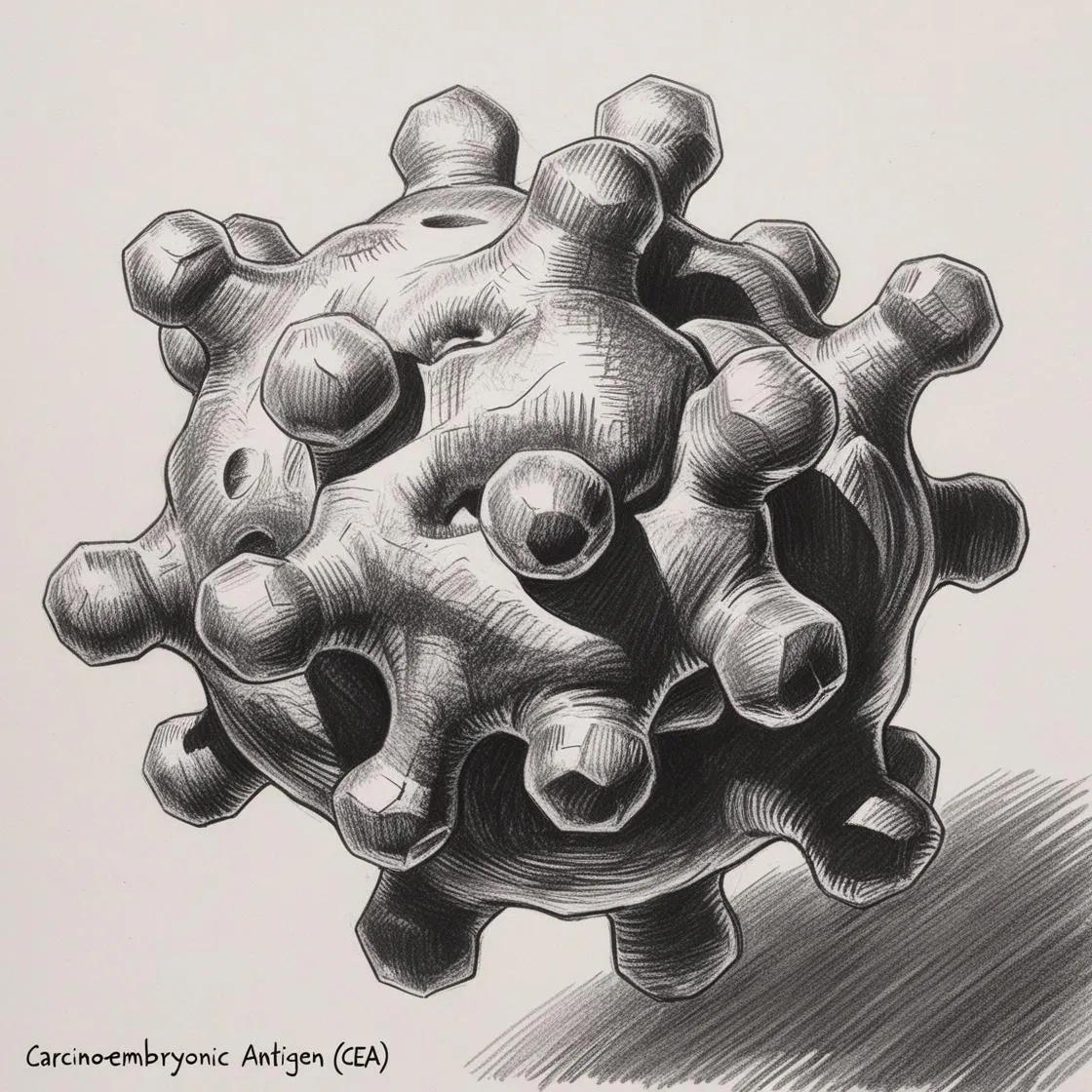
Carcinoembryonic Antigen (CEA)
CEA is another tumour marker associated with pancreatic cancer, though less specific than CA 19-9.
Normal ranges
• Non-smokers: <2.5 ng/mL
• Smokers: <5.0 ng/mL
Clinical utility
• It plays a smaller role than CA 19-9 and is interpreted only as one part of the overall picture
• May be associated with poor treatment outcomes

Liver Function Tests
• Bilirubin: Elevated levels may indicate bile duct blockage
• Alkaline phosphatase: Can be increased due to bile duct obstruction
• ALT and AST: Liver enzymes that may be elevated in pancreatic cancer

Circulatory Clues
Functions, Metrics, and Normal Ranges
Interpreting the results of blood tests involves understanding the normal ranges for various blood components and recognizing deviations that might signal health issues. Each component, from hemoglobin levels to electrolytes, tells a specific story about a patient’s health.
Healthcare providers analyze these results in the context of the patient’s overall clinical picture, considering symptoms, medical history, and other diagnostic findings. This comprehensive approach allows them to make informed decisions that enhance patient care, optimize treatment efficacy, and manage potential complications effectively.
These sections aim to clearly articulate the dual purposes of blood tests in the management of health conditions like pancreatic cancer, from initial detection to detailed monitoring and adjustment of treatment plans.
The Role of Blood Tests in Diagnosis
Blood tests are a fundamental tool in the diagnostic process, but they do not diagnose diseases such as cancer on their own. They are not a stand-alone screening test for pancreatic cancer. Abnormal results from blood tests can indicate that something is amiss, prompting healthcare providers to pursue further investigative procedures. For example, unusual levels of white blood cells, liver enzymes, or glucose can suggest underlying issues that require more specific tests like imaging studies or tissue biopsies to confirm a diagnosis. This step is crucial for identifying the presence and extent of diseases such as pancreatic cancer, guiding the direction of subsequent medical evaluations.
The Role of Blood Tests in Monitoring
Once a diagnosis is established, blood tests become a critical component of the ongoing monitoring strategy during cancer treatment. They provide a real-time feedback loop that helps medical teams gauge how well a patient is responding to treatment and managing the associated side effects. In the context of pancreatic cancer, regular blood tests can monitor everything from liver function to blood cell counts, offering insights into the effectiveness of chemotherapy, radiation, or other therapeutic approaches. These tests help in adjusting treatments as needed, ensuring the patient’s health is optimally supported throughout their care journey.
Complete Blood Count
Leukocytes (White Blood Cells)
Fight infections and manage inflammation. Elevated levels can indicate infection or inflammation, which are common concerns for people living with pancreatic cancer.
Hemoglobin
Protein that carries oxygen in red blood cells. Decreased levels suggest anemia, a condition that is common in people living with pancreatic cancer.
Hematocrit
Percentage of blood volume made up of red blood cells. Low levels indicate anemia, a common issue for people living with pancreatic cancer.
MCH (Mean Corpuscular Hemoglobin)
Average amount of hemoglobin inside each red blood cell. Essential for assessing blood’s oxygen-carrying capacity, which is critical for people living with pancreatic cancer.
MCHC (Mean Corpuscular Hemoglobin Concentration)
Measures the concentration of hemoglobin in red blood cells. Low levels can help diagnose anemia, a common issue for people living with pancreatic cancer.
MCV (Mean Corpuscular Volume)
Indicates the average size of red blood cells. Important for classifying the type of anemia, which is a common concern for people living with pancreatic cancer.
Platelets
Helps blood clot. Low levels can increase bleeding risks, a significant concern for people living with pancreatic cancer.
RDW (Red Cell Distribution Width)
Measures variation in red blood cell size. High levels can indicate anemia, which is a common concern for people living with pancreatic cancer.
MPV (Mean Platelet Volume)
Assesses the average size of platelets. Changes in MPV can indicate blood clotting status, which is important for people living with pancreatic cancer.
Neutrophils
The most abundant type of white blood cell, responsible for fighting infections. High levels may suggest acute infection, which can be a concern for people living with pancreatic cancer.
Lymphocytes
White blood cells involved in the immune response. Low levels can affect immune function, which is a common concern for people undergoing chemotherapy for pancreatic cancer.
Monocytes
White blood cells that help remove bacteria and damaged tissue. Variations in monocyte levels can indicate changes in the immune system, which is particularly important for people living with pancreatic cancer.
Eosinophils
Fight allergic reactions and parasites. Significant changes in eosinophil levels can suggest allergic reactions or immune responses, which may affect people living with pancreatic cancer.
Basophils
Involved in inflammatory responses and allergic reactions. While rarely significant, changes in basophil levels can indicate reactions to drugs, which is important to monitor in people living with pancreatic cancer.
Chemistry Panel
Sodium
Sodium is an essential electrolyte that helps regulate fluid balance, blood pressure, and nerve function. In pancreatic cancer, imbalances in sodium levels can occur due to dehydration, treatment side effects, or changes in body fluid regulation.
Potassium
Potassium is a critical electrolyte that supports muscle function, nerve signaling, and heart rhythm. In pancreatic cancer, potassium levels can fluctuate due to treatment side effects or tumor-related metabolic changes, impacting overall health.
Chloride
Chloride is an important electrolyte that helps maintain fluid balance, blood pressure, and the acid-base balance in the body. In pancreatic cancer, chloride imbalances can result from dehydration, electrolyte disturbances, or treatment-related side effects.
CO2 (Bicarbonate)
CO2, or bicarbonate, is a critical component of the body's acid-base balance, helping to maintain a stable pH level. In pancreatic cancer, bicarbonate levels can reflect kidney function or changes in acid-base balance caused by treatments or disease progression.
Glucose
Glucose is the body’s main source of energy, regulated by insulin. In pancreatic cancer, glucose levels can be affected by tumor impact on the pancreas, insulin production, or treatment side effects, potentially leading to high blood sugar (hyperglycemia).
Creatinine
Creatinine is a waste product filtered out by the kidneys. It reflects kidney function and overall metabolic health. In pancreatic cancer, elevated levels can indicate kidney dysfunction caused by the disease or treatments like chemotherapy.
Albumin
Albumin is a protein made by the liver that helps maintain fluid balance and carries nutrients and hormones throughout the body. In pancreatic cancer, low albumin levels may indicate poor nutrition or liver dysfunction, which can impact treatment outcomes.
Bilirubin, Total
Total bilirubin measures the amount of bilirubin in the blood, a substance produced during the breakdown of red blood cells. Elevated bilirubin levels in pancreatic cancer can indicate liver involvement or bile duct obstruction caused by the tumor.
Alanine Aminotransferase (ALT)
Alanine Aminotransferase (ALT) is an enzyme found in the liver that helps convert proteins into energy. Elevated ALT levels in pancreatic cancer may indicate liver damage or stress caused by the tumor or treatments.
Aspartate Aminotransferase (AST)
Aspartate Aminotransferase (AST) is an enzyme found in the liver, heart, and muscles. Elevated AST levels in pancreatic cancer can indicate liver damage or tissue stress caused by the disease or its treatment.
Alkaline Phosphatase
Alkaline Phosphatase is an enzyme found in the liver, bones, and bile ducts. Elevated levels in pancreatic cancer can indicate liver involvement, bile duct obstruction, or cancer spreading to the bones.
eGFR (Estimated Glomerular Filtration Rate)
The eGFR measures kidney function by estimating how well your kidneys filter waste from your blood. In pancreatic cancer, a low eGFR can indicate kidney damage, which may be caused by the disease itself or by treatments such as chemotherapy.
Ferritin
Ferritin is a blood protein that stores iron. In pancreatic cancer, abnormal ferritin levels can indicate issues with iron metabolism, which may be caused by malnutrition, inflammation, or the effects of treatment.
Magnesium
Magnesium is a mineral critical for muscle function, nerve signaling, and energy production. In pancreatic cancer, abnormal magnesium levels can result from treatment effects or malnutrition, potentially leading to muscle weakness or cramping.

Emerging Blood-based Diagnostics and third-party tests
These tests are investigational. They are not standard care for pancreatic cancer in Canada, and a result from one of them does not replace assessment by your care team. If you are considering one, discuss what it can and cannot show with your team first.
What’s on the horizon for diagnostic tests which use your blood.
Current research and clinical trials are ongoing to develop more accurate blood tests for pancreatic cancer detection.
• Circulating Tumor Cells (CTCs): Detection of cancer cells in the bloodstream
• Cell-free DNA: Analysis of tumor DNA fragments in the blood
• Protein Panels: Combination of multiple protein markers for improved accuracy.

Galleri™ Test
The Galleri™ test, developed by Grail, is a multi-cancer early detection blood test that can detect over 50 types of cancer, including pancreatic cancer. While promising in clinical trials, it is still undergoing validation and is not yet widely available. Researchers continue to explore its potential for early pancreatic cancer detection. For more information, visit Galleri and Pancreatic Cancer.
IMMray™ PanCan-d
The IMMray™ PanCan-d test is a blood-based screening tool that detects pancreatic cancer using nine biomarkers, including CA19-9. It has shown 85% sensitivity for early-stage and 87% sensitivity for all stages of pancreatic cancer, along with high specificity for high-risk individuals and healthy individuals.

Currently, the test is available only through healthcare providers for high-risk individuals, such as those with a family history or genetic predispositions to pancreatic cancer. Results are classified as negative, borderline, or positive, and a positive result requires follow-up diagnostic procedures. The test is not yet widely available for general use and requires physician interpretation.
Immunovia is developing a second-generation version to improve accessibility and performance. However, tissue biopsy remains the definitive method for diagnosing pancreatic cancer.
Understanding your laboratory report
Use the units and reference interval printed beside your own result. Reference intervals vary between laboratories and can depend on factors such as age, sex, and medical history.
A result outside the interval does not automatically mean something serious, and a result inside it does not answer every clinical question. Your team considers the result in context and may compare it with previous tests. That is why this guide does not print reference ranges: a range from another laboratory — or another country, using different units — can mislead more than it helps.
Is this the same as genetic or biomarker testing?
Several different tests can use a blood sample. Routine blood counts, blood chemistry, tumour markers, and inherited genetic testing answer different questions.
- Tumour biomarker testing — testing the cancer itself for features that may guide care.
- Inherited genetic testing — testing for gene changes you were born with.
Questions
Can normal blood tests rule out pancreatic cancer?
No. Blood tests cannot confirm or rule out pancreatic cancer on their own. Scans and other investigations are needed, which is why symptoms that persist are worth raising with your care team even when blood results are normal.
Does a rising CA19-9 mean treatment has stopped working?
Not on its own. A rise can have other causes, including bile duct blockage or inflammation. Your team reads the trend together with imaging and how you are feeling before drawing conclusions.
Why might treatment be delayed after blood tests?
Treatment can affect blood counts and organs such as the kidneys and liver. If results show that counts are low or an organ needs time to recover, your team may delay or adjust treatment to keep it safer, and will explain the reason and the plan.
Who should I contact about an unexpected result?
The clinic or team that ordered the test. If you feel very unwell, use the urgent contact route your care team has given you.
How will I receive my results?
It varies by province, hospital, and laboratory. Some results appear in a patient portal; others are reviewed with you at an appointment. Ask at the time of the test how yours will reach you.
Testing in Pancreatic Cancer
Explore comprehensive testing options for pancreatic cancer—from MRIs to blood tests—and learn how to interpret your results.
Explore TestingRelated guides
Sources and review
This guide draws on Canadian sources, including the Canadian Cancer Society's pages on the diagnosis of pancreatic cancer, the complete blood count, and blood chemistry tests, MyPathologyReport.ca's guide to tumour markers in blood tests, and MyHealth Alberta's complete blood count information.
Last reviewed: October 24, 2026. Blood tests are ordered and interpreted by your care team; this guide explains the tests but does not interpret individual results. If you spot an error, report it and it will be corrected.